Hindustani Classical

Sitar Recital by Smt. Kalyani Roy
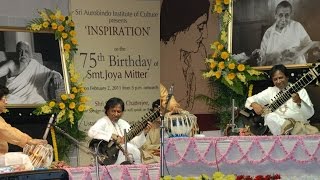
Sitar recital by Ustad Shahid Parvez
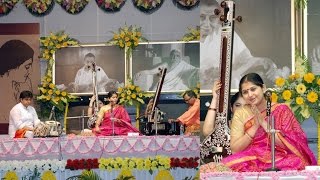
Vocal recital by Smt Kaushiki Chakrabarty Desikan

Sarod recital by Shri Alam Khan

Sitar Recital by Pandit Soumitra Lahiri

Pandit Ulhas Kashalkar (Hindustani Classical Vocal)
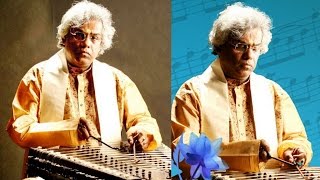
Santoor Recital by Pandit Tarun Bhattacharya

Sitar recital by Pandit Krishna Mohan Bhatt

Dhrupad Recital by Pandit Falguni Mitra

Flute Recital by Pandit Ronu Majumdar
Rabindra Sangeet
Rabindra Sangeet by various artists

Rabindra Sangeet by Shreya Guha Thakurta

Rabindra Sangeet by Shama Rehman

Rabindra Sangeet by Iffat Ara Dewan

Rabindra Sangeet by Smt Pramita Mallick

Rabindra Sangeet by various artists

Devotional songs by Smt. Sraboni Sen
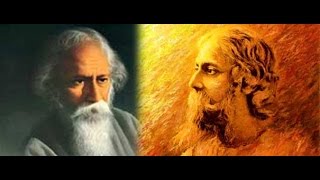
Rabindra Sangeet by various artists

Rabindra Sangeet by Smt Rajashree Bhattacharya
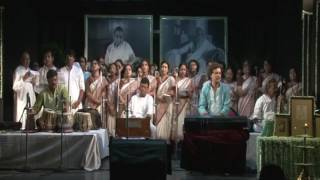
Rabindra Sangeet by various artists
Collection 2019

Vocal recital by Smt. Aditi Gupta

Offering of Songs led by Swastika Mukhopadhyay
Collection 2018
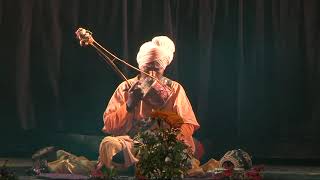
Folk Songs by Satyananda Das Baul

Songs by Shreya Guha Thakurta
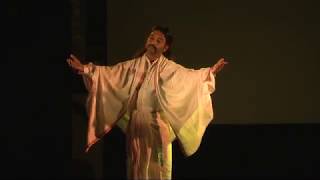
Dance-drama - 'Ghare Phera'

Poetry by Samiul Islam Poluck
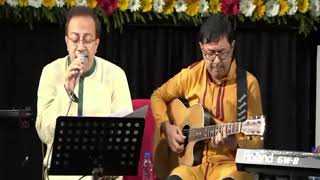
Songs by Biswarup Rudra

Songs by Shreya Guha Thakurta
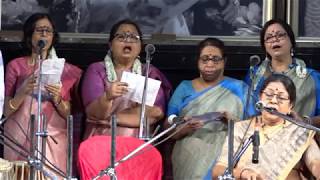
Offering of Songs led by Swastika Mukhopadhyay

Vocal recital by Shrimati Lily Islam
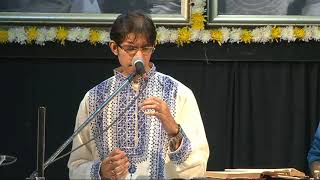
Vocal recital by Shri Sounak Chattopadhyay
Collection 2017

Sitar Recital by Alif Laila

Vocal Recital by Mitali Banerjee Bhowmik

Vocal recital by Pramita Mallick and group

Songs by Smt. Srabani Sen
Rabindra Sangeet by various artists

Tribute to Atulprasad Sen, Rajanikanto Sen, D L Roy, Dilip Kumar Roy and Kobi Nishikanto

Songs by Ashish Bhattacharya and group
Collection 2016
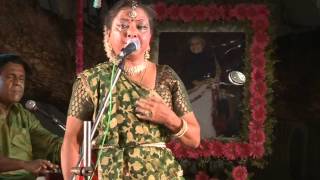
Kathak Recital by Smt Saswati Sen
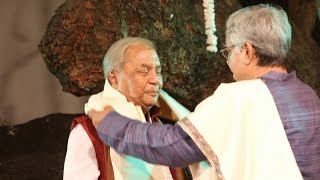
Felicitation of Pandit Birju Maharaj

Kathak Recital by Smt Shinjini Kulkarni

Songs by Iman Chakraborty
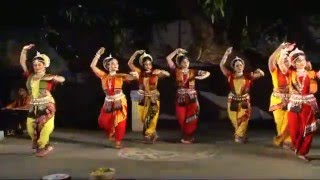
'Basanta Utsav' - Spring Celebration

Songs by Ashish Bhattacharya
Rabindra Sangeet by various artists

Songs led by Smt. Swastika Mukhopadhyay

Songs by Smt. Nupurchhanda Ghosh
Collection 2015

Songs by Aloke Roy Chowdhury
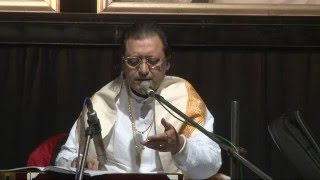
Songs by Pandit Srikumar Chatterjee
Rabindra Sangeet by Shreya Guha Thakurta
Rabindra Sangeet by Shama Rehman

'Pratham Partha': A drama presentation
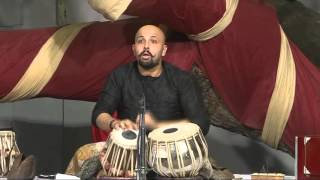
Anubrata Chattopadhyay (Tabla) & Supratik Sengupta (Sitar)

Tagore's 'Shapmochan': A dance-drama
Rabindra Sangeet by Iffat Ara Dewan
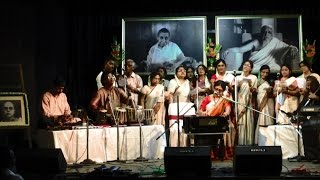
Songs led by Smt. Swastika Mukhopadhyay

'Dilip Kumar Roy and Romain Rolland': A lecture by Dr. Chinmoy Guha
Flute Recital by Pandit Ronu Majumdar

Sarod Recital by Soumik Datta

Pandit Anindo Chatterjee and Anubrata Chatterjee on the Tabla
Collection 2014
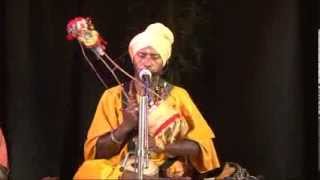
Baul Songs by Satyananda Baul

Gouri Guha (Vocal) and Contemporary Dance Program

Book Launch of 'Katak Kori Katak Komal'
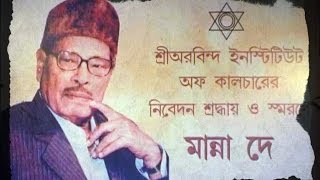
Tribute to Manna Dey

Songs by Pandit Srikumar Chatterjee
Rabindra Sangeet by Smt Pramita Mallick

Songs by Shri Sounak Chattopadhyay
Collection 2013
Rabindra Sangeet by various artists
Devotional songs by Smt. Sraboni Sen

Devotional songs by Smt. Swagatalakshmi Dasgupta
Sitar Recital by Smt. Kalyani Roy
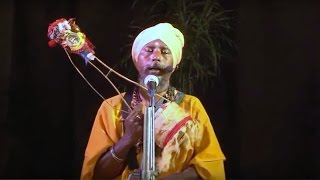
Baul Songs by Satyananda Baul

A presentation of Raga Music Symphony

Play-reading of Rabindranath's 'Rakta Karabi'

Folk songs of Bengal by 'Dohar'

