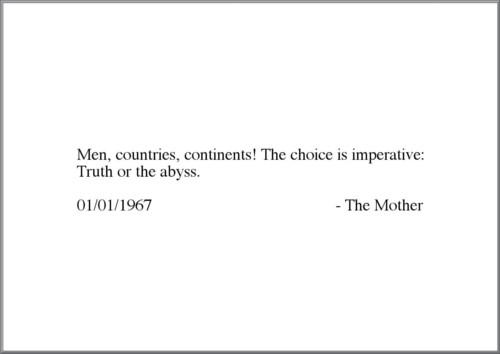
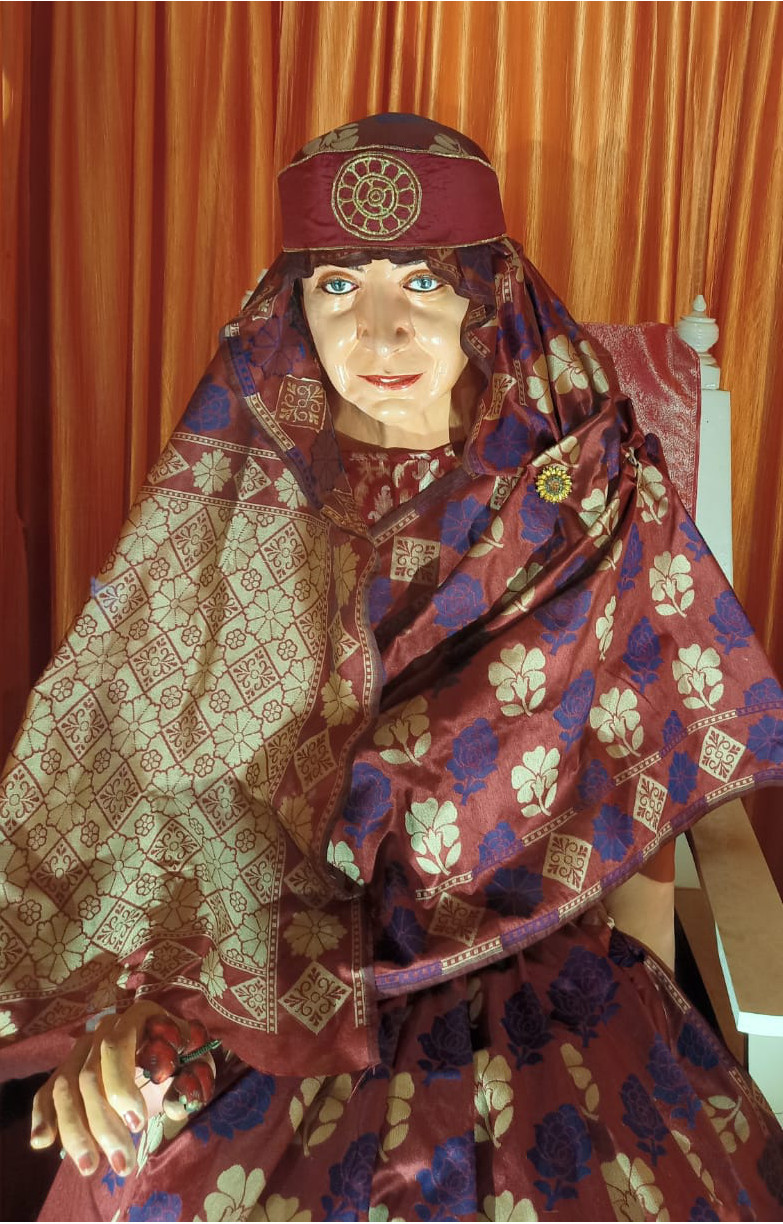
Collective Meditation was held around Shrine. This was followed by distribution of the Message Card.
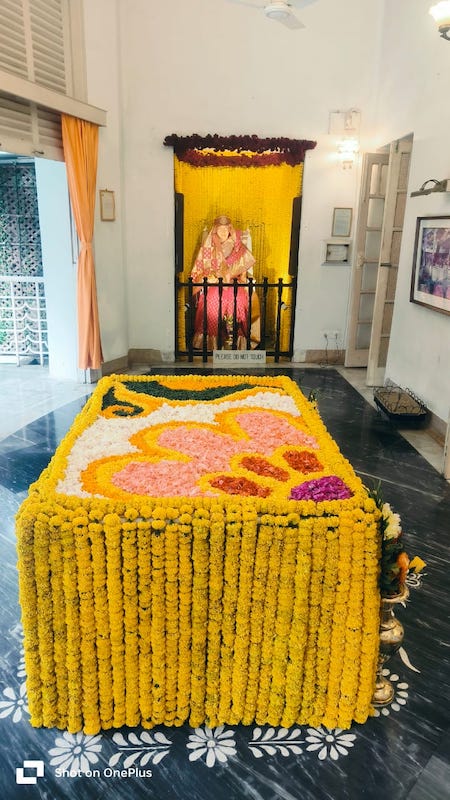
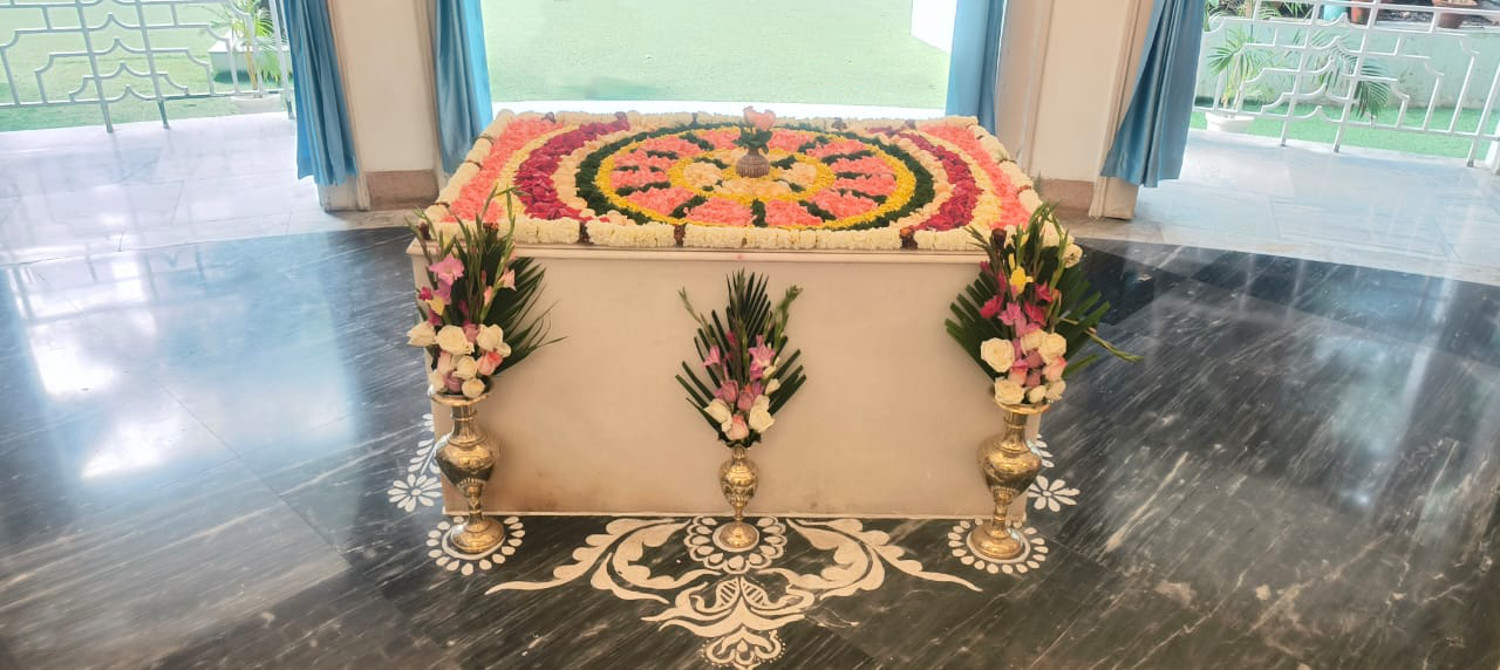
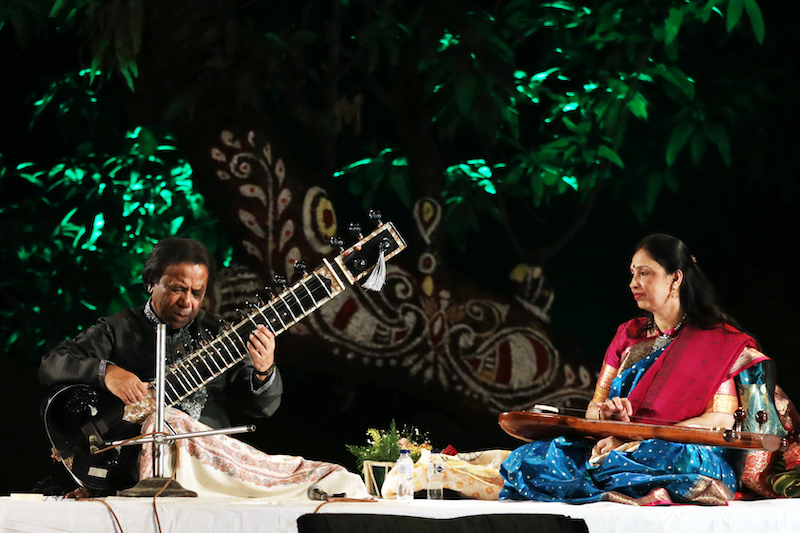
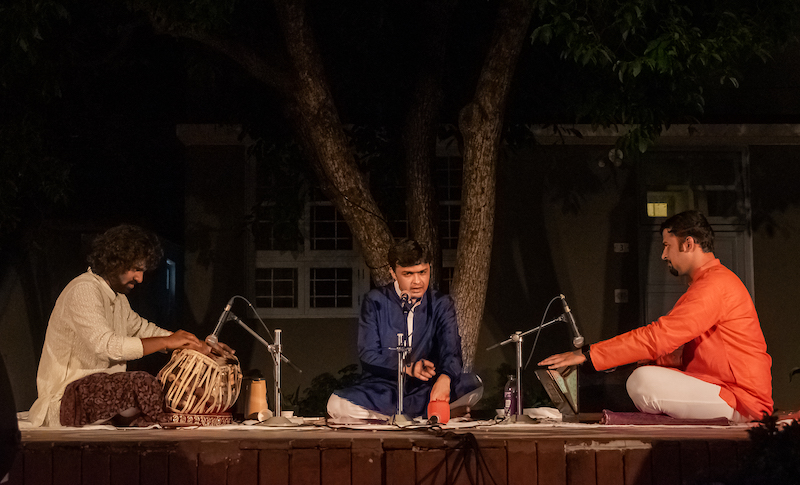
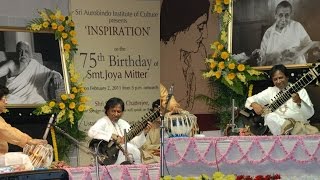
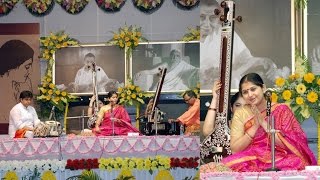
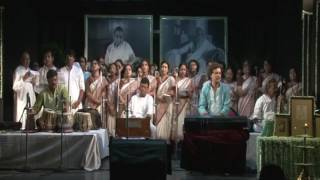
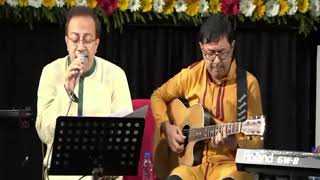
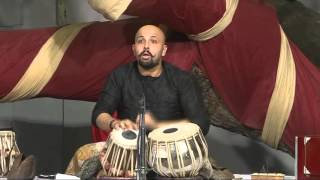
Sitar recital by Ustad Shahid Parvez with Pandit Anindo Chatterjee on the tabla
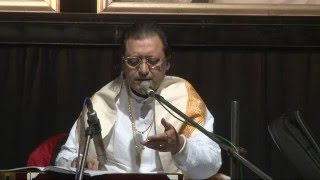
Homage by Shrimati Sukti Shubhra Pradhan
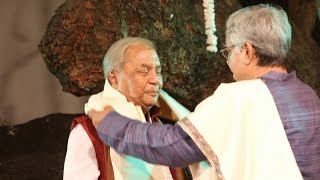
Homage by Pandit Anindo Chatterjee
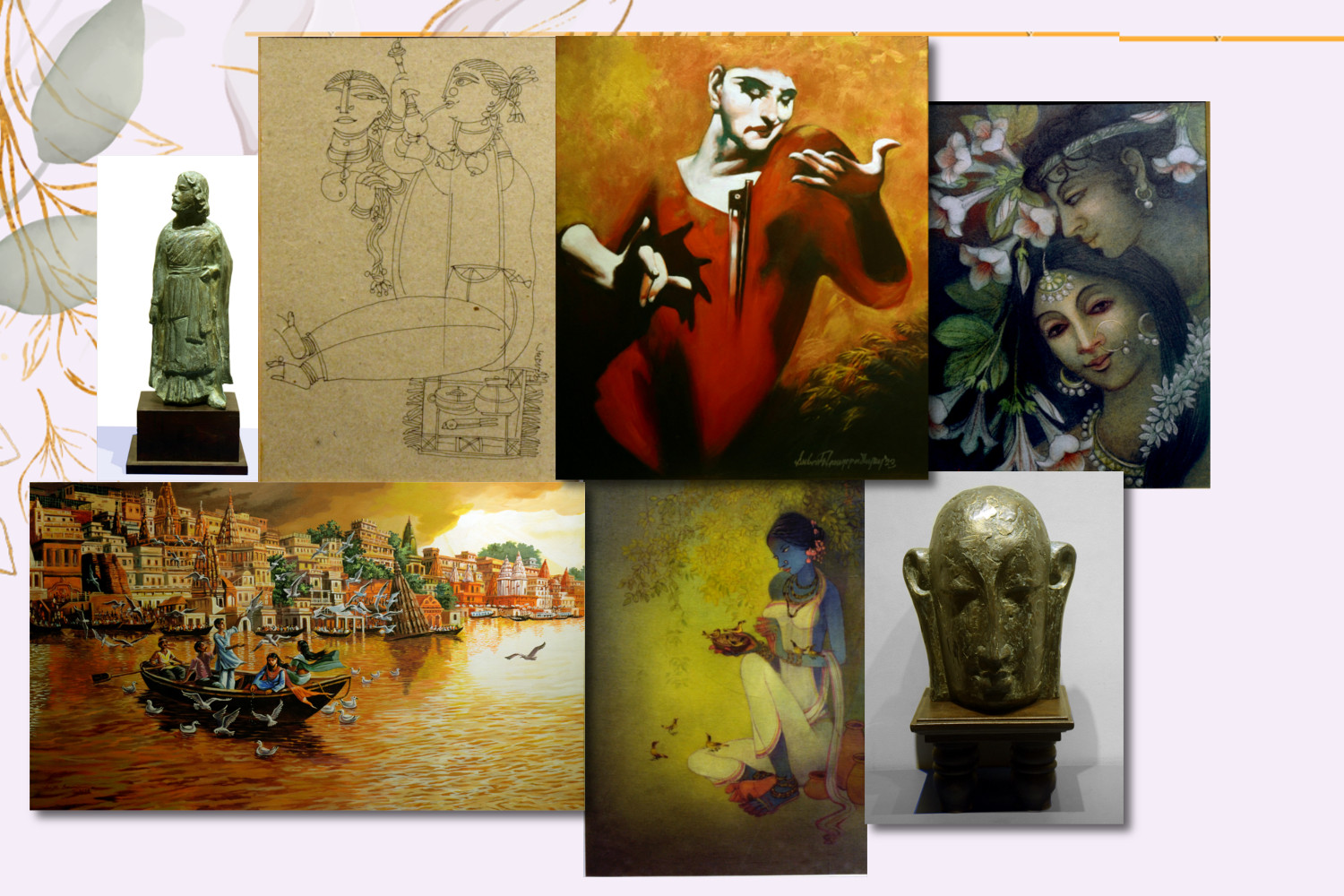
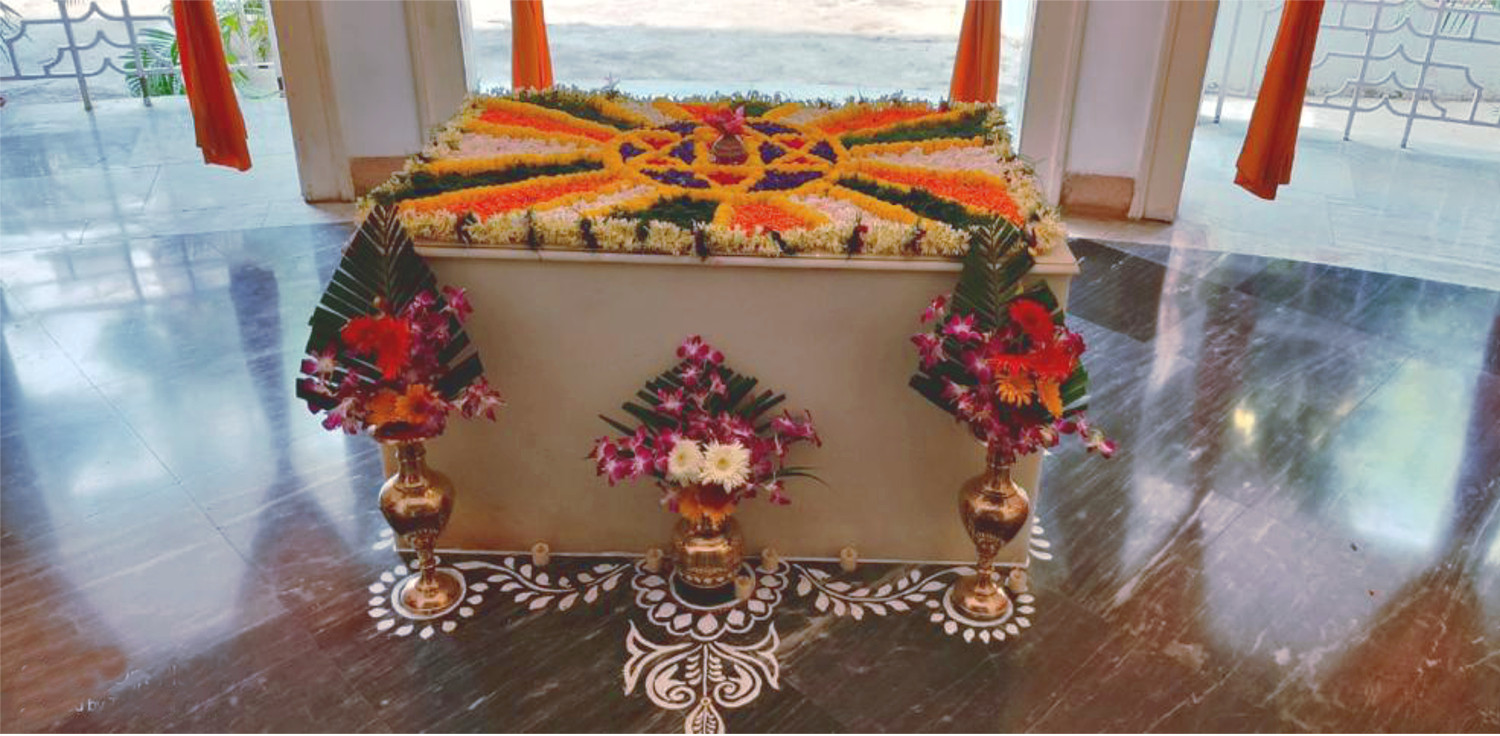
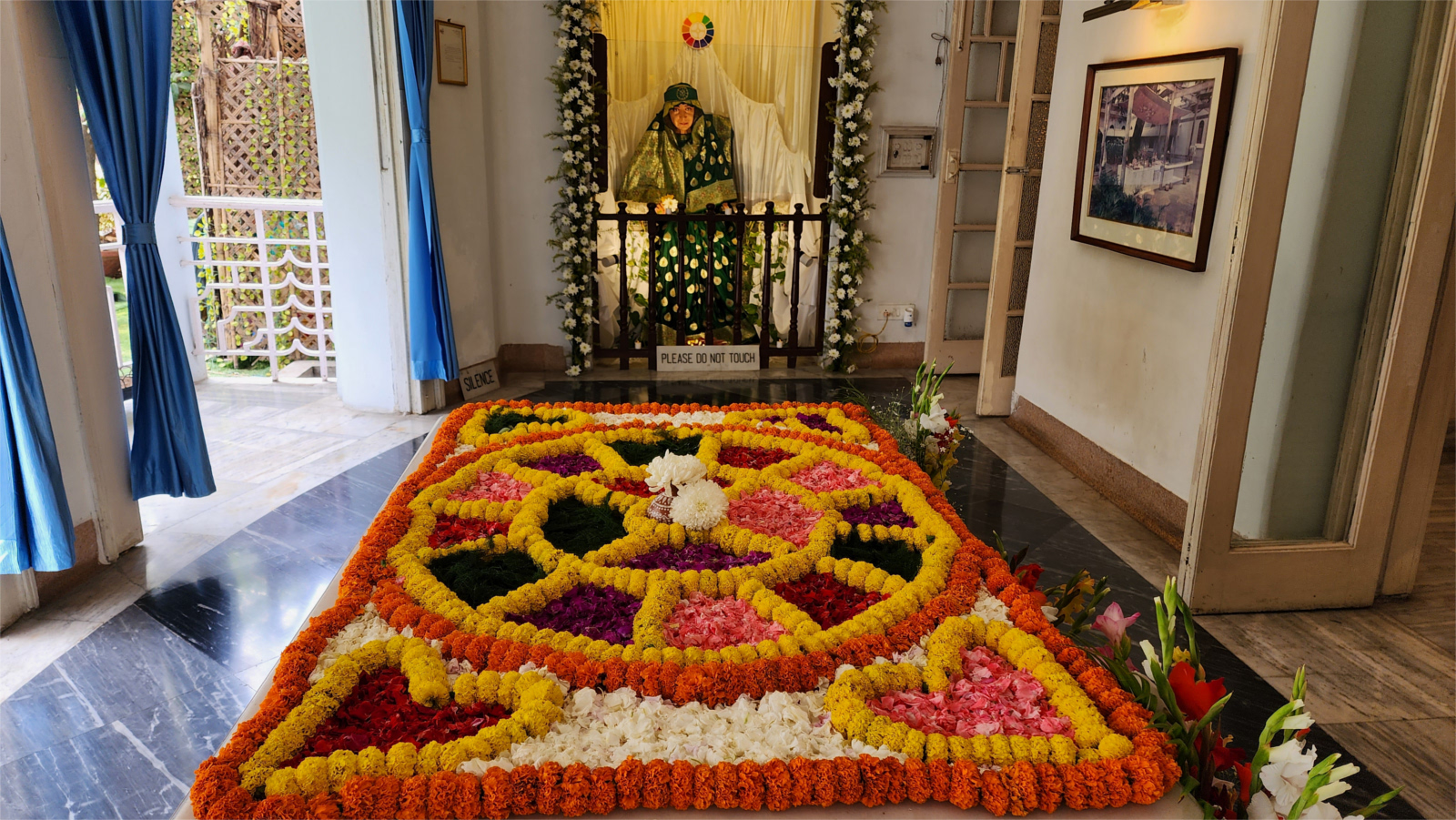
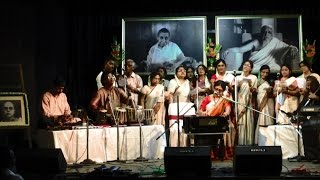
Tribute by students and teachers - Floral Rangoli, Flower Arrangement
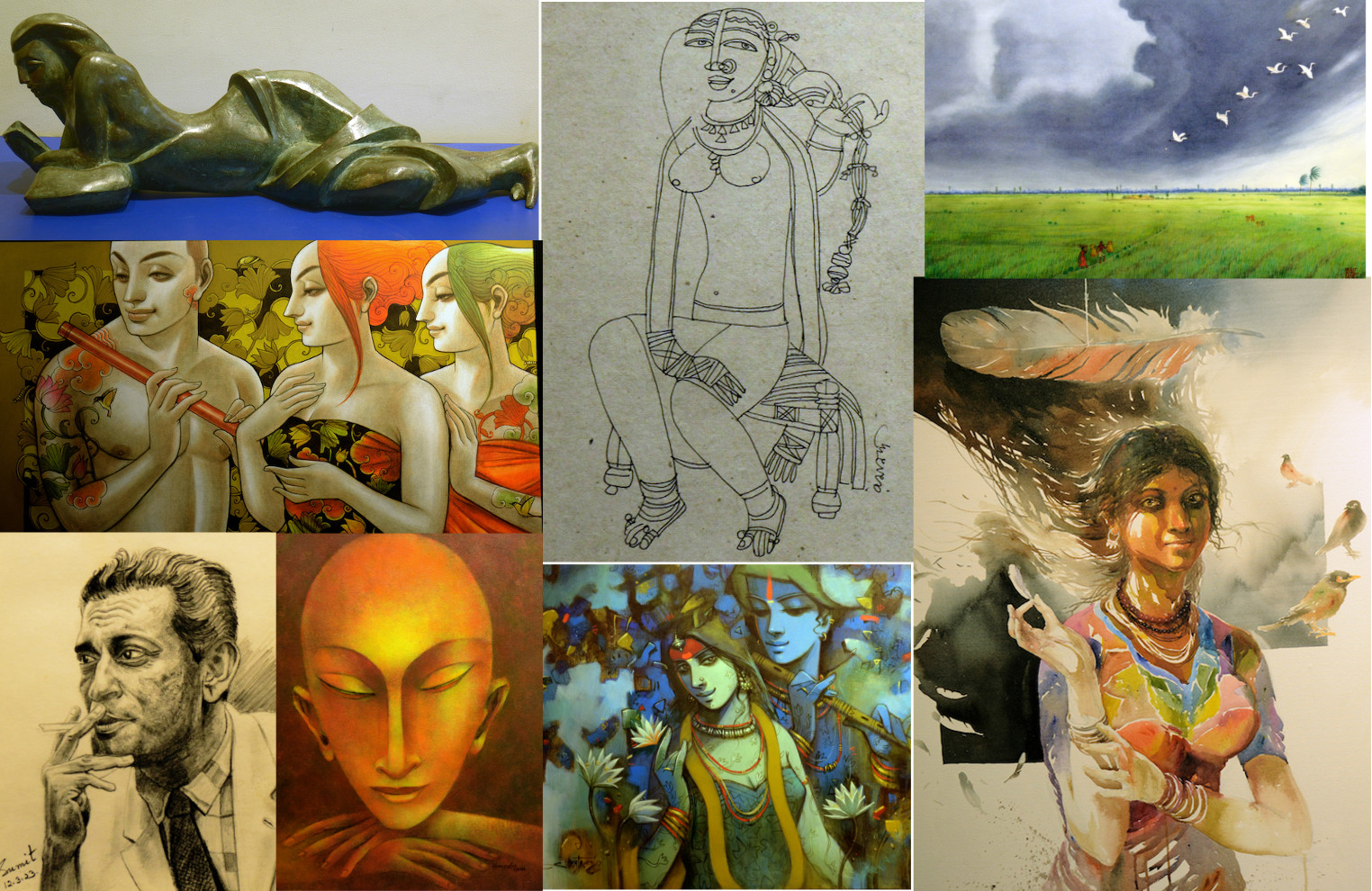
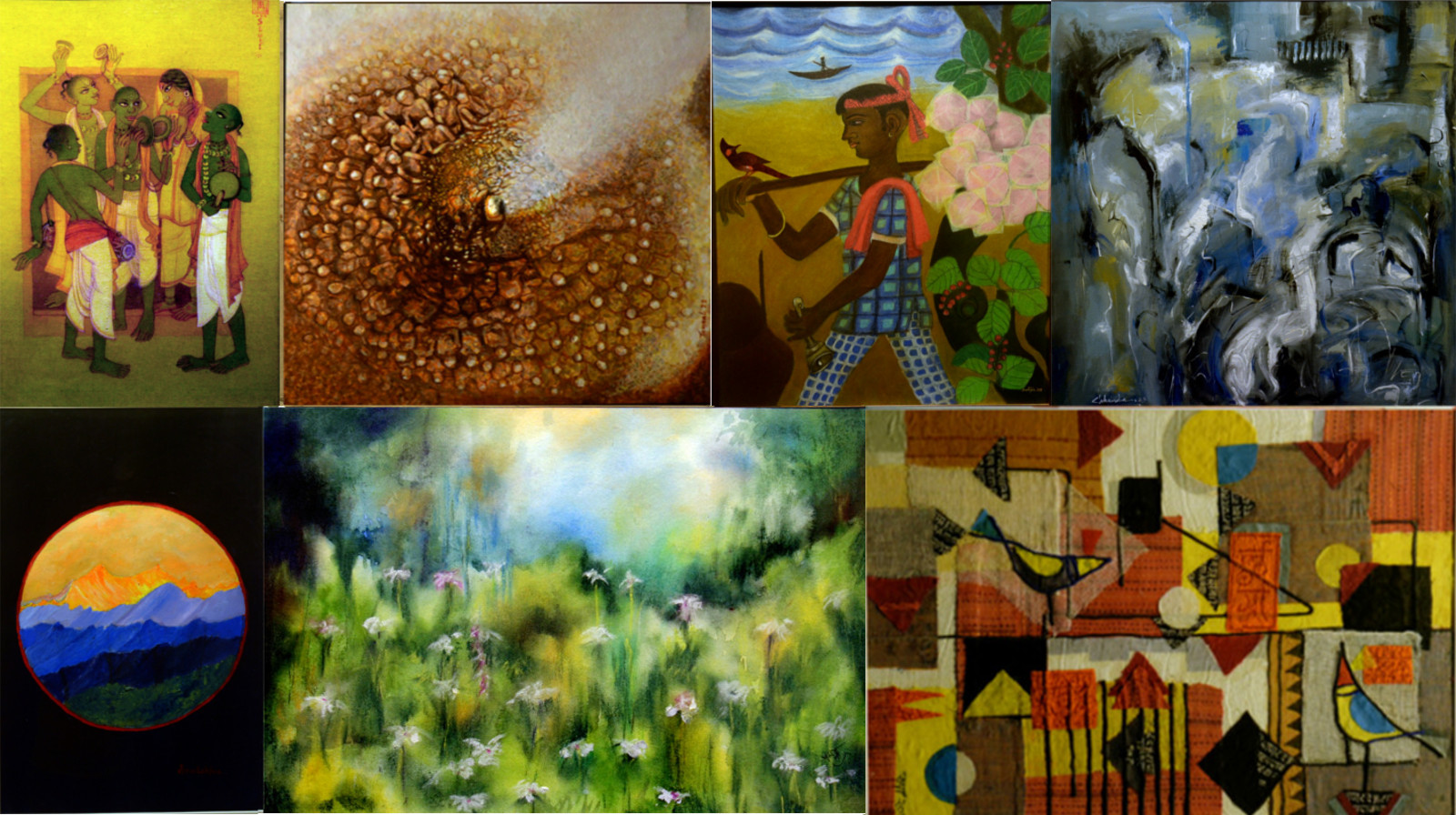
Inter-School Art Competition
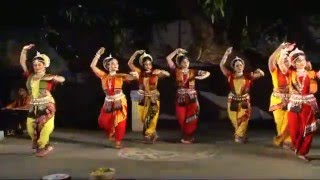
Cultural program
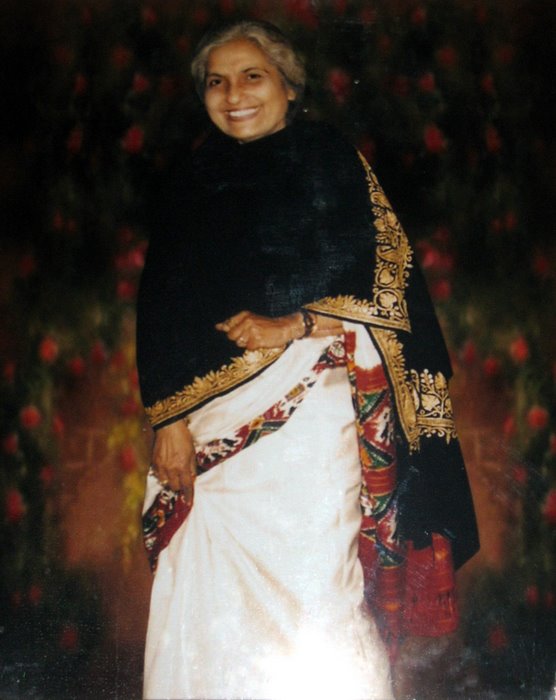
2.Feb.2024: Tribute to Joya di on her 88th Birth Anniversary
Sitar recital by Ustad Shahid Parvez with Pandit Anindo Chatterjee on the tabla and Srabani Biswas on the Tanpura
Collective Meditation is held around the Shrine on the first day of the year. Followed by distribution of the Darshan Message.
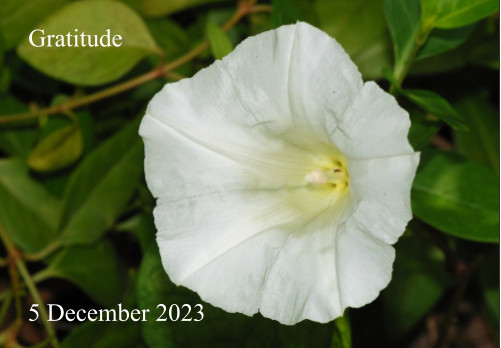
Collective Meditation was held around the Shrine. This was followed by distribution of the Darshan Message.
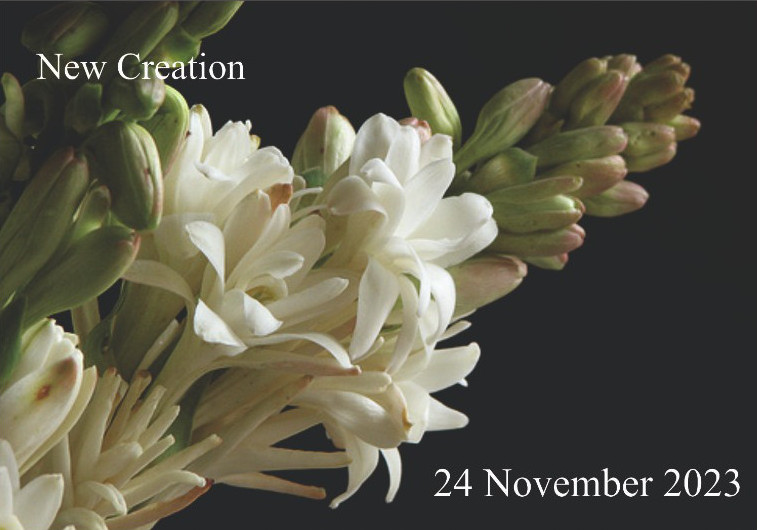
The anniversary of the Siddhi day or the day of Victory was the occasion for Collective Meditation around the Shrine. This was followed by distribution of the Darshan Message
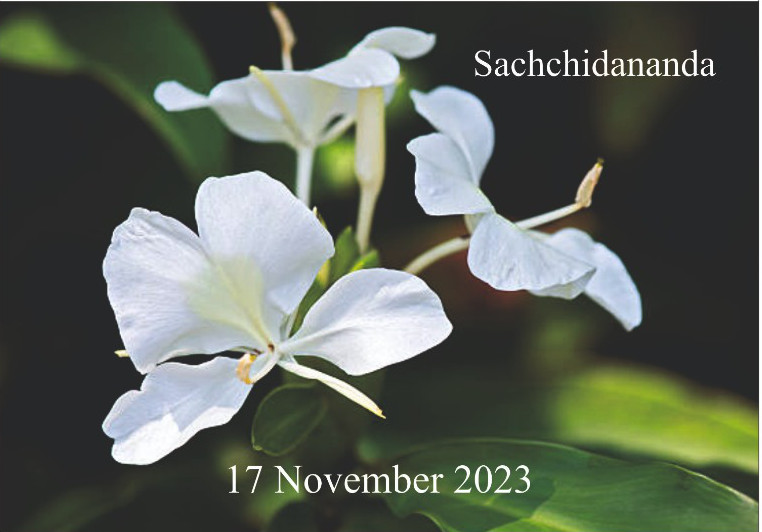
Collective Meditation was held around the Shrine. This was followed by distribution of the Darshan Message.
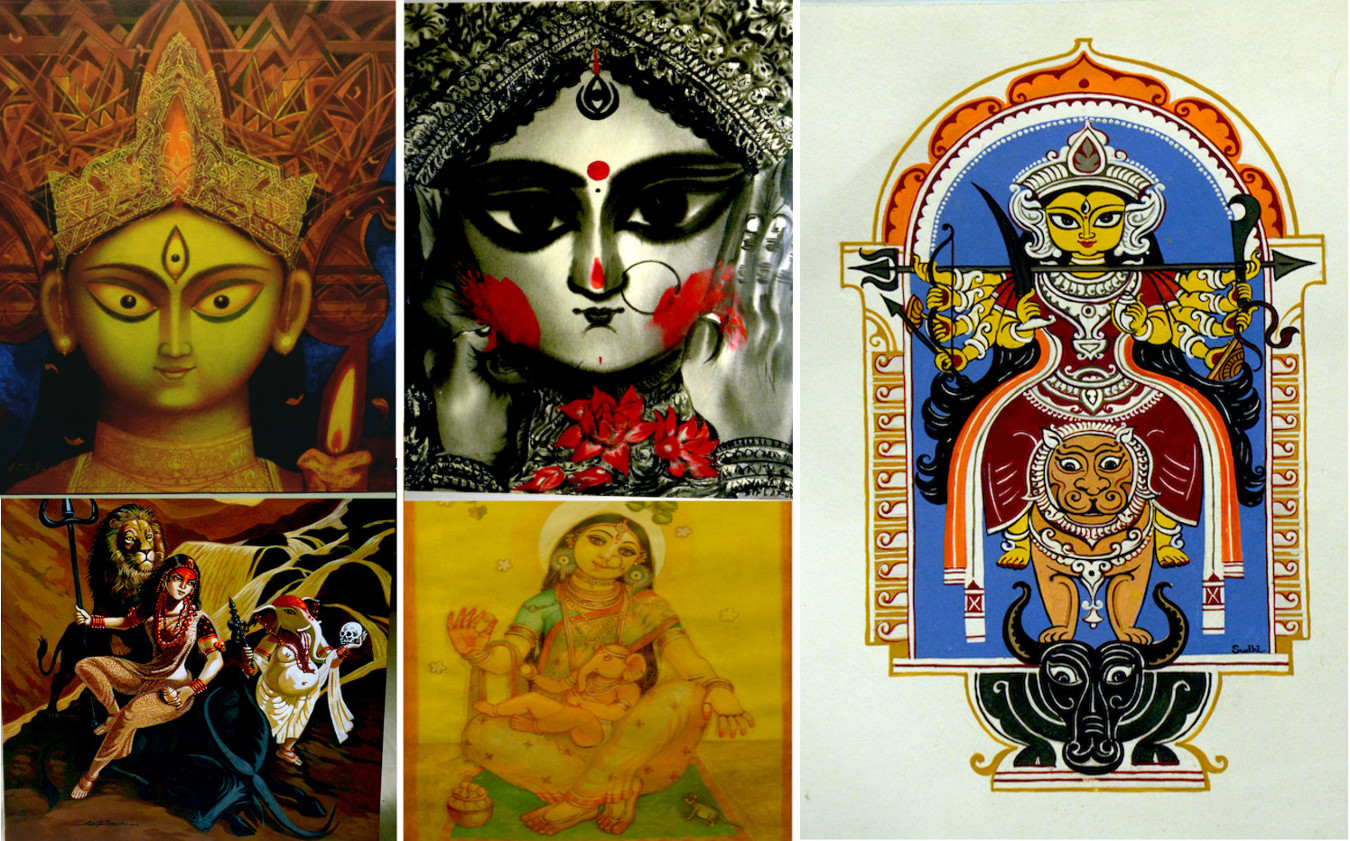

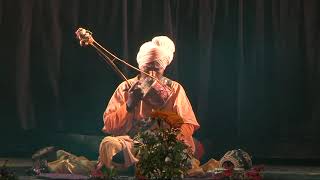
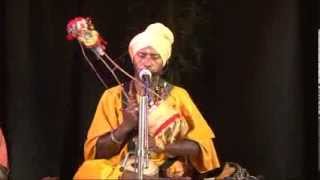
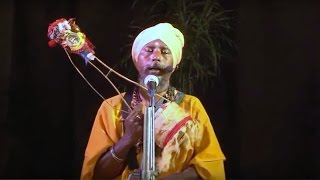
July 29, 2023 : An Esraj Concert was organised by Sri Aurobindo Institute of Culture Kolkata at Sri Aurobindo Nilaya, Santiniketan
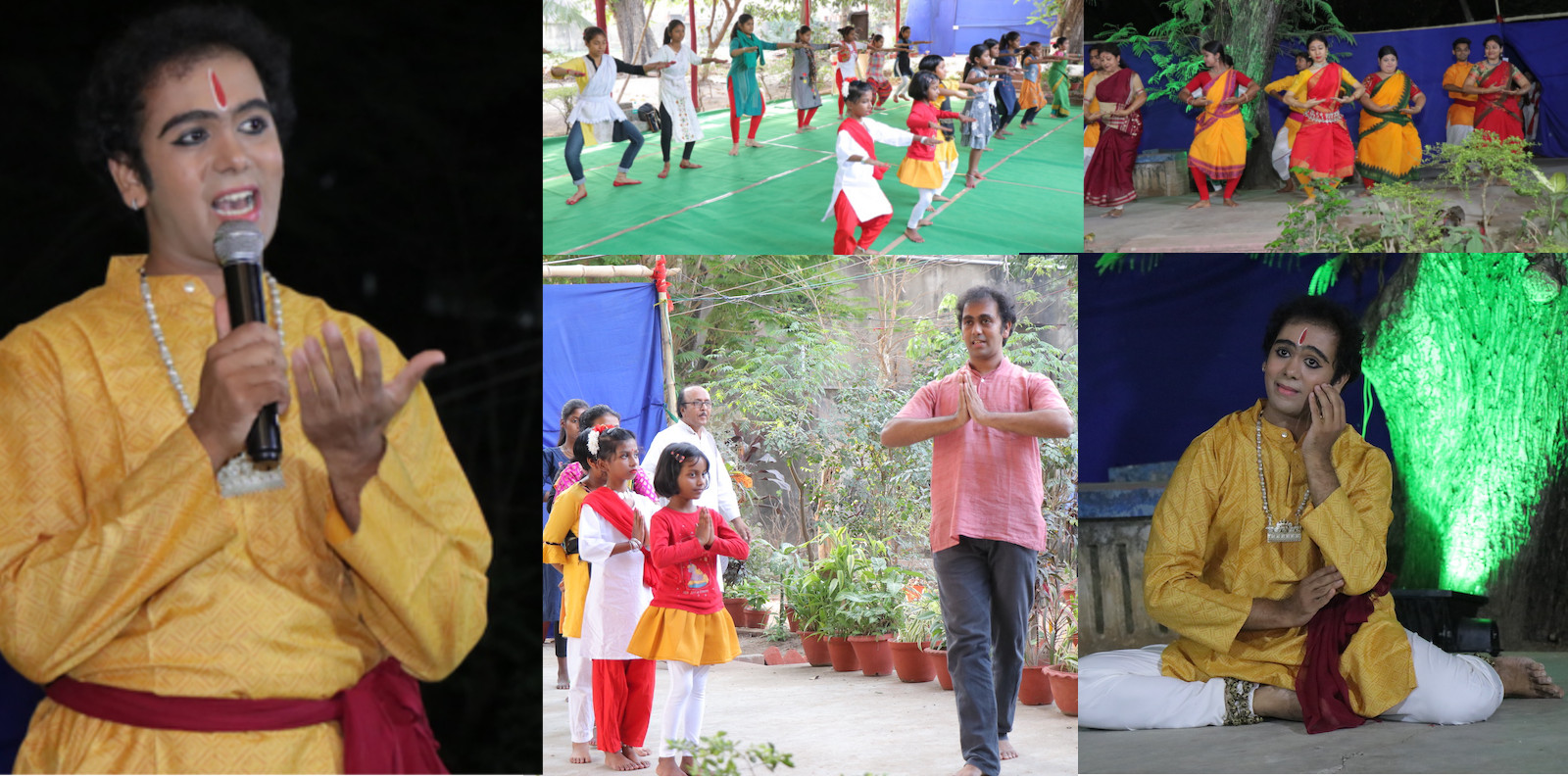
August 6, 2023 : Sri Aurobindo Nilaya, Santiniketan in association with Sri Aurobindo Institute of Culture, Kolkata, presented 'Meghmandra' - Celebration of Monsoon Season. The programme was conducted by "Dinantika Shilpigosthi"
Organised by Sri Aurobindo Institute of Culture, Kolkata in collaboration with Sri Aurobindo Ashram, Pondicherry
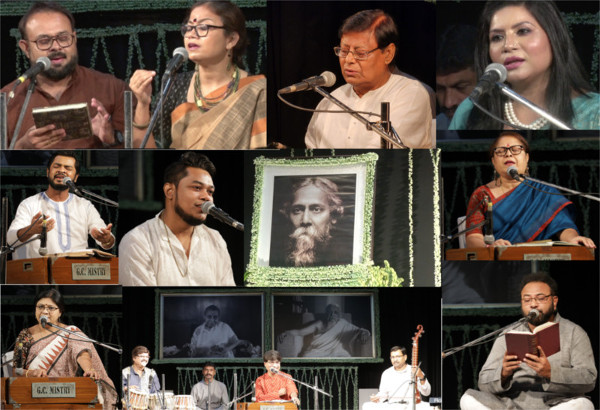
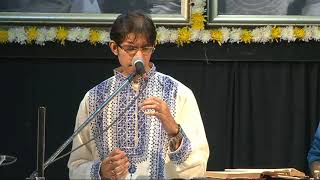
Recitation from Rabindranath Tagore's poems
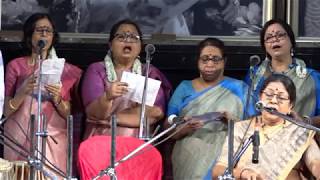
Rabindra Sangeet by various artists
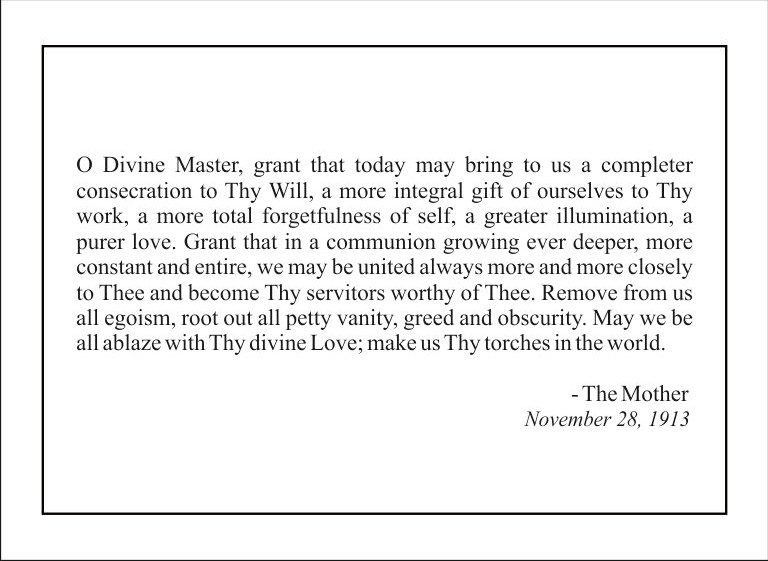
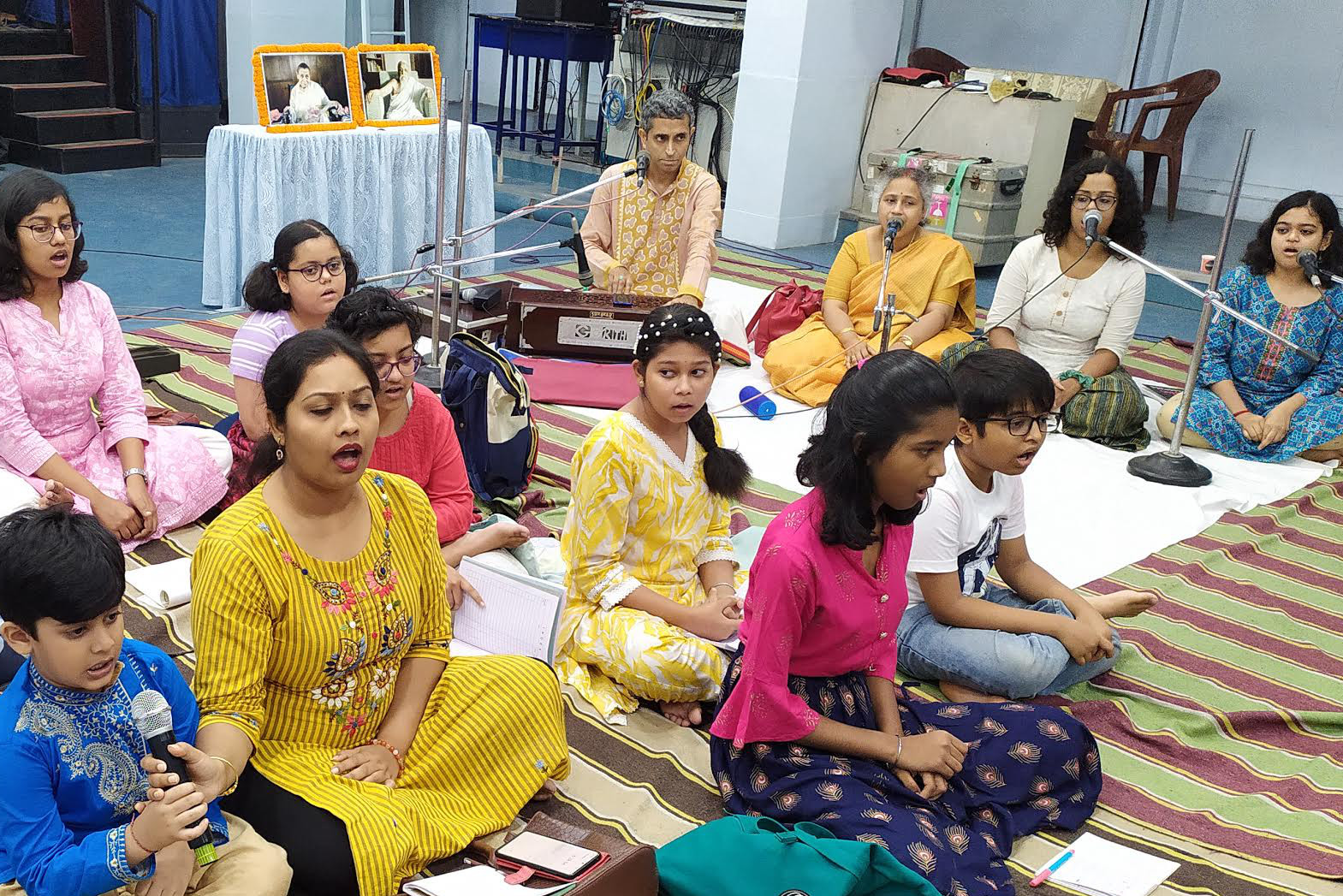
Collective Meditation was held around Shrine. This was followed by distribution of the Message Card.
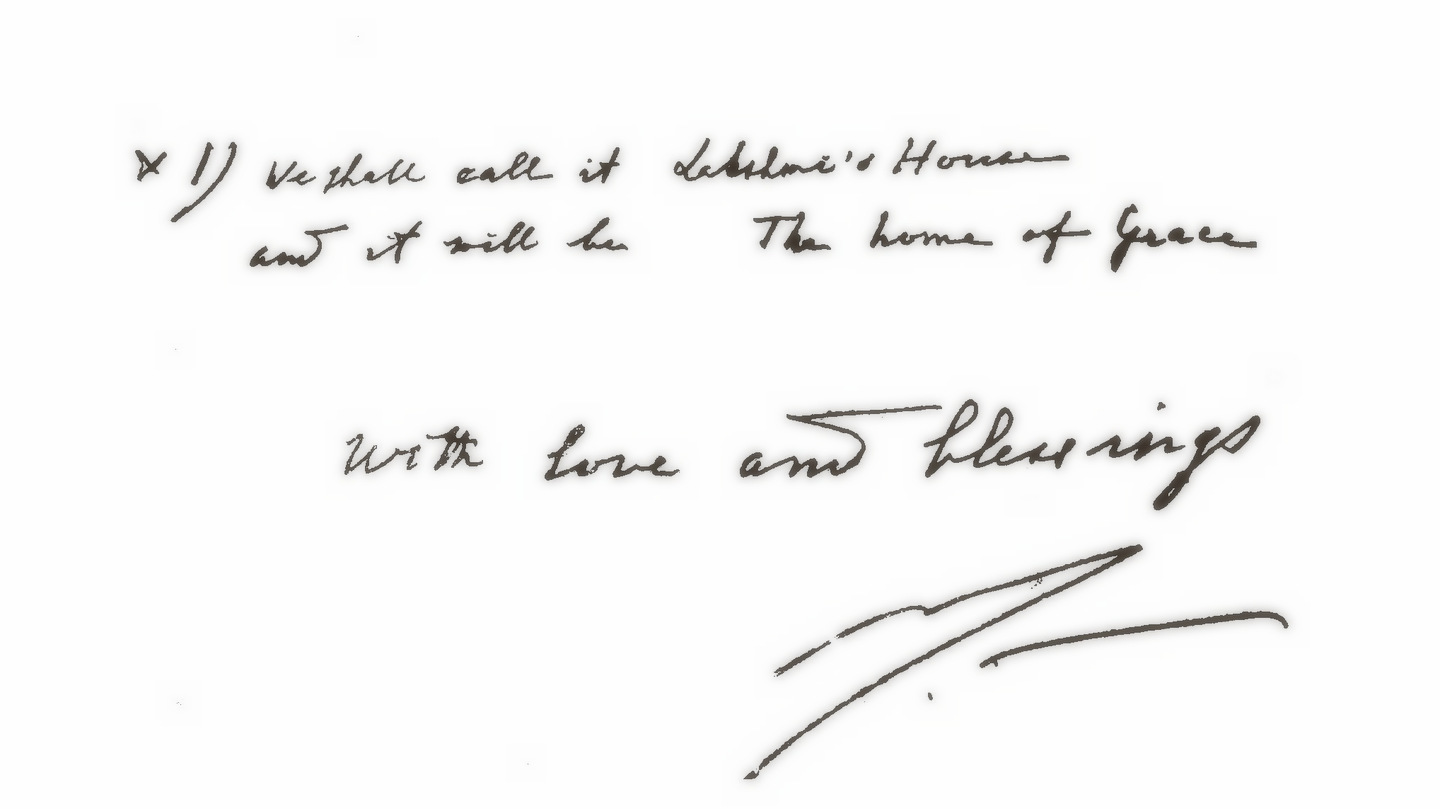
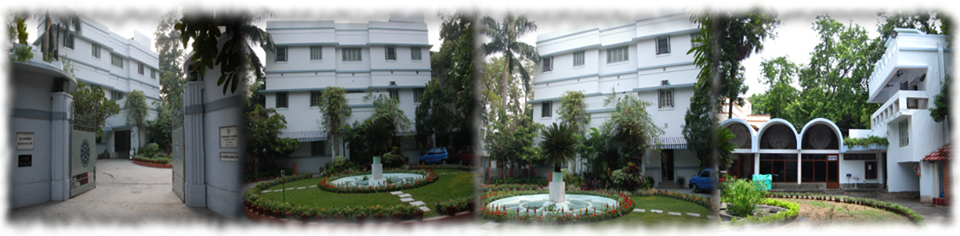
The Mother wrote in February, 1968, with reference to the property at 3, Regent Park, Calcutta.
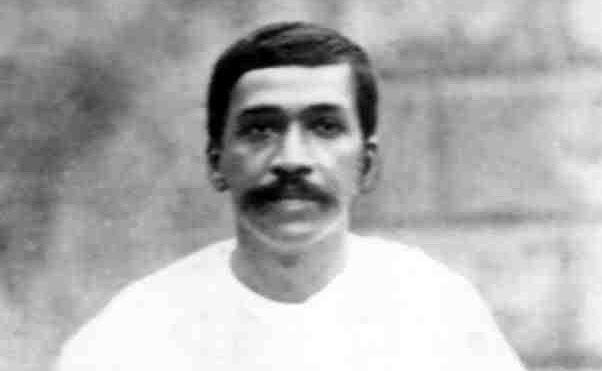
1906
Bengal National College started with Sri Aurobindo as its first Principal on 15.Aug.1906. Sri Aurobindo attached much importance to National education and included it as part of the new Nationalist Party's programme...
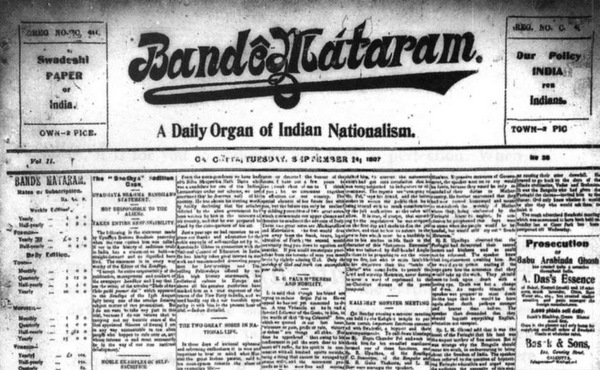
1906-08
'Bande Mataram' was an English newspaper edited by Sri Aurobindo. It was almost unique in journalistic history in the influence it exercised in converting the mind of a people and preparing it for revolution...
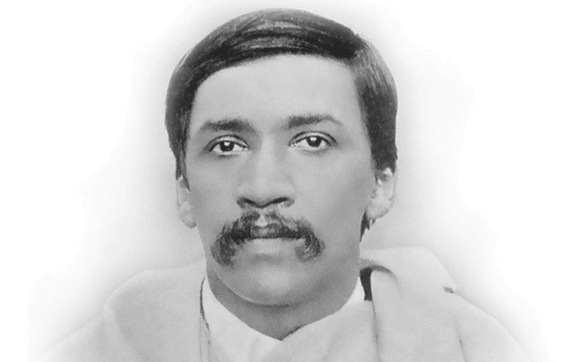
Dec. 1907
Sri Aurobindo presided over the Nationalist Conference at Surat in 1907 where in the forceful clash of two equal parties - the Moderates and the Nationalists - the Congress was broken to pieces...
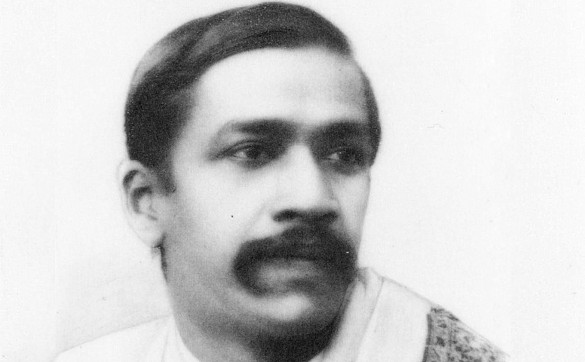
Jan. 1908
Sri Aurobindo realized Nirvana or Silent Brahman Consciousness in January 1908. This experience turned out to be the beginning of a greater realisation...
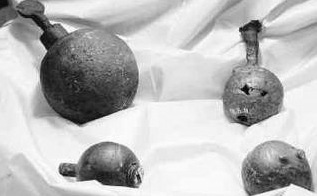
1908-09
Alipore Bomb case was a historic trial in which the British Government tried to implicate Sri Aurobindo in various revolutionary activities...
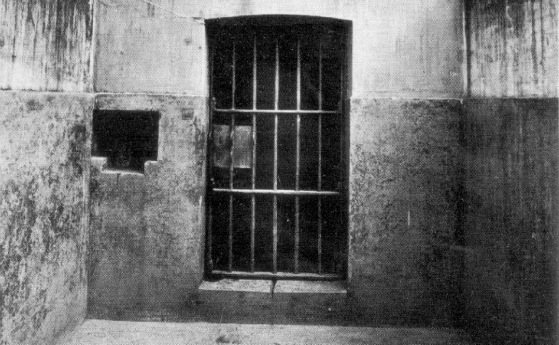
May 1908-May 1909
Sri Aurobindo spent one year in Presidency Jail as an under-trial prisoner in the Alipore Bomb Case. He was kept in solitary confinement for certain periods...
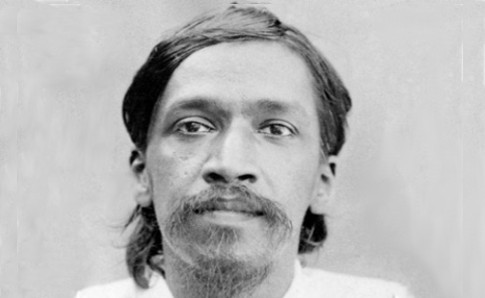
1908-09
Sri Aurobindo realized Cosmic consciousness and the Divine as all beings and all that is, during his confinement at Presidency Jail as an undertrial prisoner...
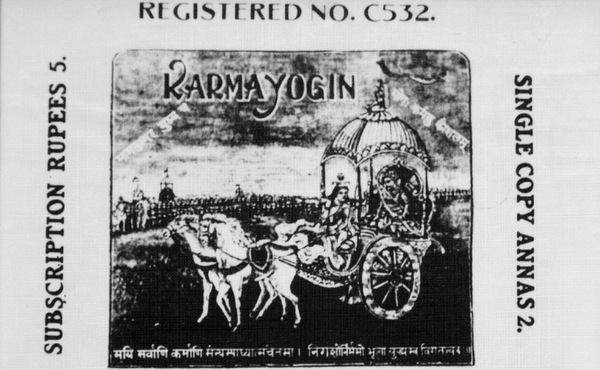
1909-10
Karamayogin was a weekly journal in English started by Sri Aurobindo as a review of National Religion, Literature, Science, Philosophy etc...

1910
Sri Aurobindo departed from Calcutta on the strength of an 'Adesha' (Divine command) from above, first to Chandernagore and then to Pondicherry...































Everybody can do it. It is done in this way: you concentrate. Now, it depends on what you want. If you have an inner problem and want the solution, you concentrate on this problem; if you want to know the condition you are in, which you are not aware of - if you want to get some light on the state you are in, you just come forward with simplicity and ask for the light. Or else, quite simply, if you are curious to know what the invisible knowledge has to tell you, you remain silent and still for a moment and then open the book. I always used to recommend taking a paper-knife, because it is thinner; while you are concentrated you insert it in the book and with the tip indicate something. Then, if you know how to concentrate, that is to say, if you really do it with an aspiration to have an answer, it always comes.
For, in books of this kind (Mother shows The Synthesis of Yoga), books of revelation, there is always an accumulation of forces - at least of higher mental forces, and most often of spiritual forces of the highest knowledge. Every book, on account of the words it contains, is like a small accumulator of these forces. People don't know this, for they don't know how to make use of it, but it is so. In the same way, in every picture, photograph, there is an accumulation, a small accumulation representative of the force of the person whose picture it is, of his nature and, if he has powers, of his powers. Now, you, when you are sincere and have an aspiration, you emanate a certain vibration, the vibration of your aspiration which goes and meets the corresponding force in the book, and it is a higher consciousness which gives you the answer.
Everything is contained potentially. Each element of a whole potentially contains what is in the whole. It is a little difficult to explain, but you will understand with an example: when people want to practise magic, if they have a bit of nail or hair, it is enough for them, because within this, potentially, there is all that is in the being itself. And in a book there is potentially - not expressed, not manifest - the knowledge which is in the person who wrote the book. Thus, Sri Aurobindo represented a totality of comprehension and knowledge and power; and every one of his books is at once a symbol and a representation. Every one of his books contains symbolically, potentially, what is in him. Therefore, if you concentrate on the book, you can, through the book, go back to the source. And even, by passing through the book, you will be able to receive much more than what is just in the book.
There is always a way of reading and understanding what one reads, which gives an answer to what you want. It is not just a chance or an amusement, nor is it a kind of diversion. You may do it just "like that", and then nothing at all happens to you, you have no reply and it is not interesting. But if you do it seriously, if seriously your aspiration tries to concentrate on this instrument - it is like a battery, isn't it, which contains energies - if it tries to come into contact with the energy which is there and insists on having the answer to what it wants to know, well, naturally, the energy which is there - the union of the two forces, the force given out by you and that accumulated in the book - will guide your hand and your paper-knife or whatever you have; it will guide you exactly to the thing that expresses what you ought to know…. Obviously, if one does it without sincerity or conviction, nothing at all happens. If it is done sincerely, one gets an answer.
Certain books are like this, more powerfully charged than others; there are others where the result is less clear. But generally, books containing aphorisms and short sentences - not very long philosophical explanations, but rather things in a condensed and precise form - it is with these that one succeeds best.
Naturally, the value of the answer depends on the value of the spiritual force contained in the book. If you take a novel, it will tell you nothing at all but stupidities. But if you take a book containing a condensation of forces - of knowledge or spiritual force or teaching power - you will receive your answer.